Truck wash permit: what to check before the first wash water flows
·6 min read·HB Nexus
Anyone planning a wash bay for trucks tends to think about the equipment first and the water that comes out of it second. Yet that water decides what you have to arrange with the authorities. This article sets out what the rules ask in two places we checked against official guidance: the Netherlands, through the Informatiepunt Leefomgeving (IPLO), and Scotland and Northern Ireland, through NetRegs. Other countries work differently, but the questions are much the same.
Do you need a permit for a truck wash?
Often you need something other than a classic permit. In the Netherlands, washing motor vehicles is an activity with a duty to notify under the Bal, the Dutch environmental activities decree. You may not start without notifying at least 4 weeks in advance, and the notification only contains general details. There is no assessment as with a permit, but the rules apply from the first wash.
In Scotland and Northern Ireland the key document is a trade effluent consent. NetRegs says you must get one, or enter a trade effluent agreement, with your water and sewerage company before you discharge any trade effluent to the public sewer, even a small amount. For some sites the regulator, SEPA or the NIEA, may also need to give authorisation.
When does a wash bay fall under the rules?
The Dutch rules in section 4.44 of the Bal cover washing motor vehicles: an automatic wash, a roll-over, a wash box with a pressure washer, even a bucket of water. Cleaning vehicles for agricultural work falls under a different section. NetRegs applies its vehicle cleaning guidance to anyone who cleans vehicles on site, and not to those who simply use a commercial vehicle wash.
If you clean the inside of trailers or containers, it is not always obvious which rule applies to your activity. That is for the competent authority to decide, not the supplier of the machine. If you already run a truck wash, ask whether your existing notification or consent also covers interior cleaning. What interior cleaning asks of an existing wash is covered in our article on adding interior cleaning to a truck wash.
What are the rules for truck wash water?
Both sets of guidance start from the same point: wash water may not run into surface water drains, rivers or ground water. NetRegs lists what it can contain: detergents, oil and fuel, suspended solids, grease and antifreeze. In the Netherlands the prescribed route is the foul sewer. You are not obliged to discharge at all: the water may also go to a processor or be reused.
Netherlands: when discharging to the foul sewer, oil is limited to 20 mg per litre in a spot sample, unless the water first passes a silt trap and oil separator to NEN-EN 858-1 and 858-2.
Netherlands: a drainage drawing shows where each type of waste water is discharged and which sewer each point connects to.
Scotland and Northern Ireland: wash only in defined areas where wash water and rain run-off can be contained, and agree the discharge with your water and sewerage company.
Scotland and Northern Ireland: if you use detergents, use a recycling system with no discharge or collect the run-off, and ask your sewerage provider how to dispose of it.
Less water per wash also means less waste water to discharge or remove. How a fixed programme and exact dosing halve the water used per wash is set out in our article on truck wash water usage.
What kind of floor does a wash bay need?
A floor that keeps the wash water in. The Dutch rules prescribe a liquid-tight floor, because oils, greases, coolant and the detergent itself end up on it with the water, and the site drain up to the separator must be liquid-tight as well, unless the waste water meets the oil limit. NetRegs asks for cleaning in a designated impermeable area, isolated by a bund, raised kerb, ramps or stepped access.
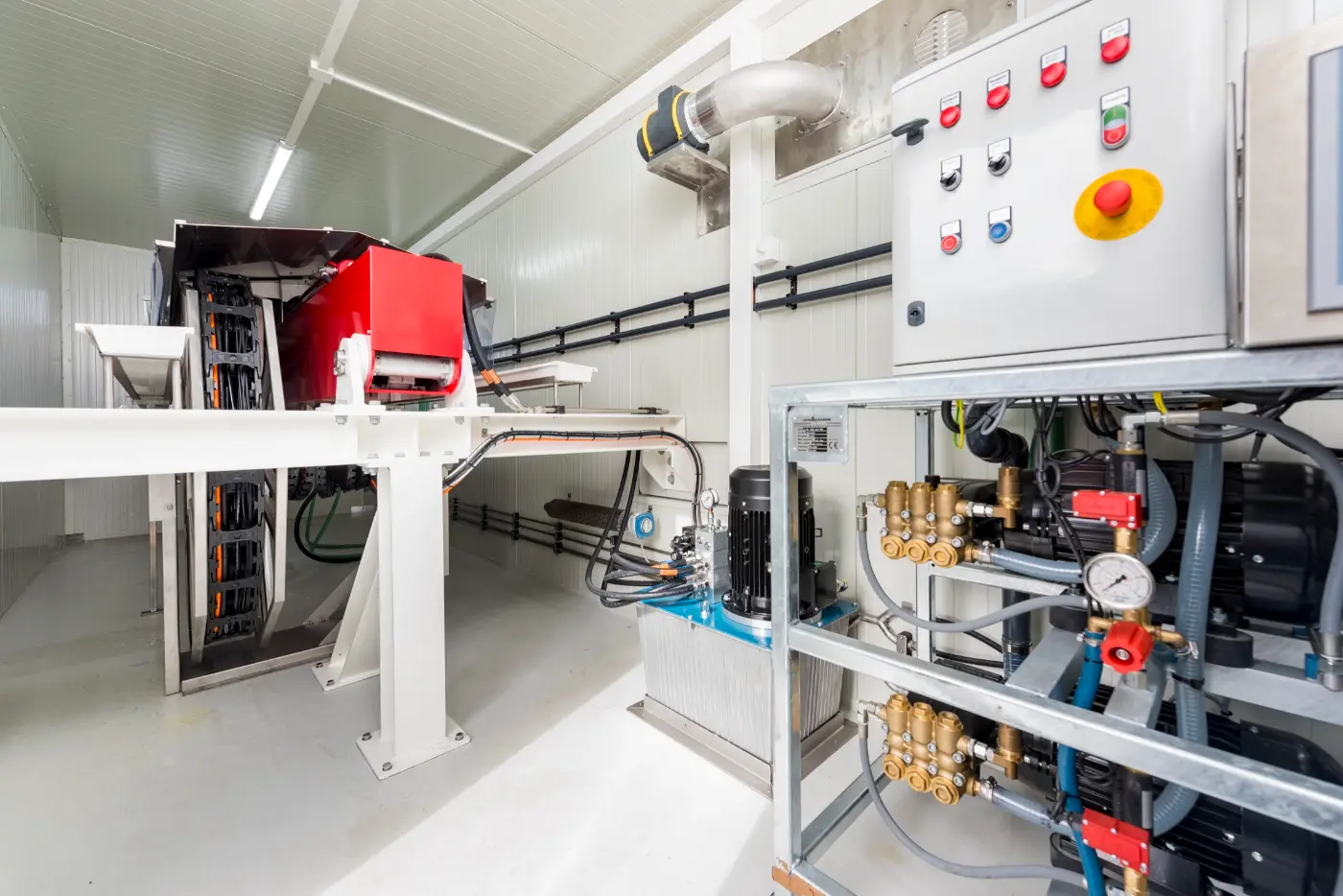
Pumps, chemicals and controls sit inside the 40ft container, not loose on the wash bay.
What should you arrange before the first wash?
Put the points below on paper before you ask an installer or supplier for a quote. Everyone then knows from the start where the water goes, what the floor has to handle and who deals with the authorities. It also stops a drain from being laid twice.
Item
What you arrange
Who to ask
Notification or consent
Dutch notification 4 weeks ahead; UK trade effluent consent
Municipality, or water company
Scope
Whether the rules cover your activity
Competent authority
Discharge route
Foul sewer, processor or reuse
Municipality, water company
Oil
20 mg per litre, or a silt trap and oil separator
Installer, NEN-EN 858
Drainage drawing
Discharge points and connections on paper
Own drawing or installer
Floor
Liquid-tight or impermeable, with containment
Installer, authority
What changes with a container unit like the HB Nexus?
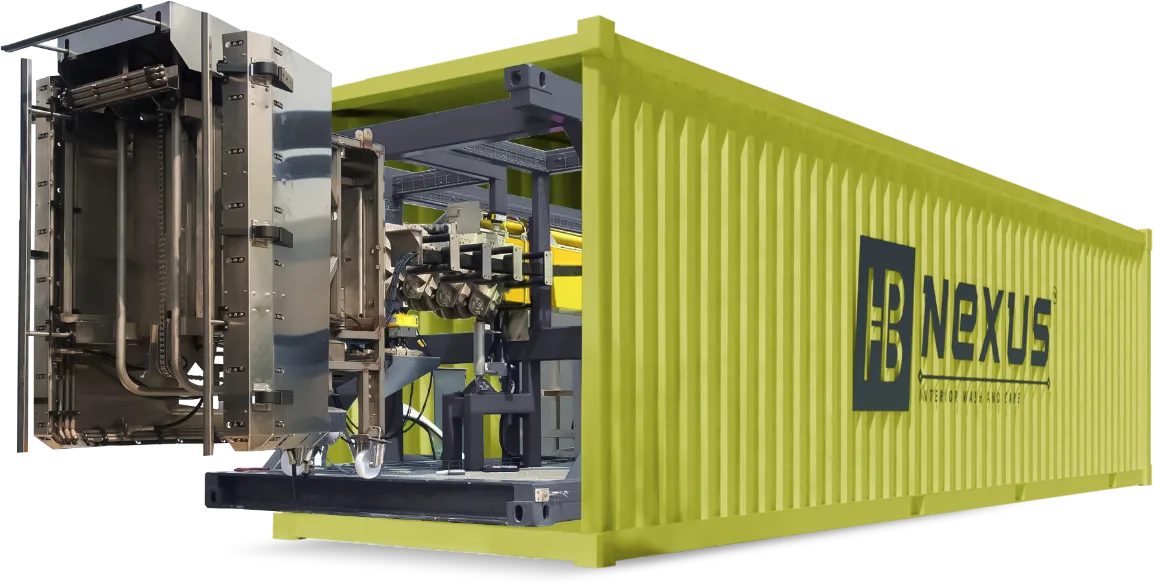
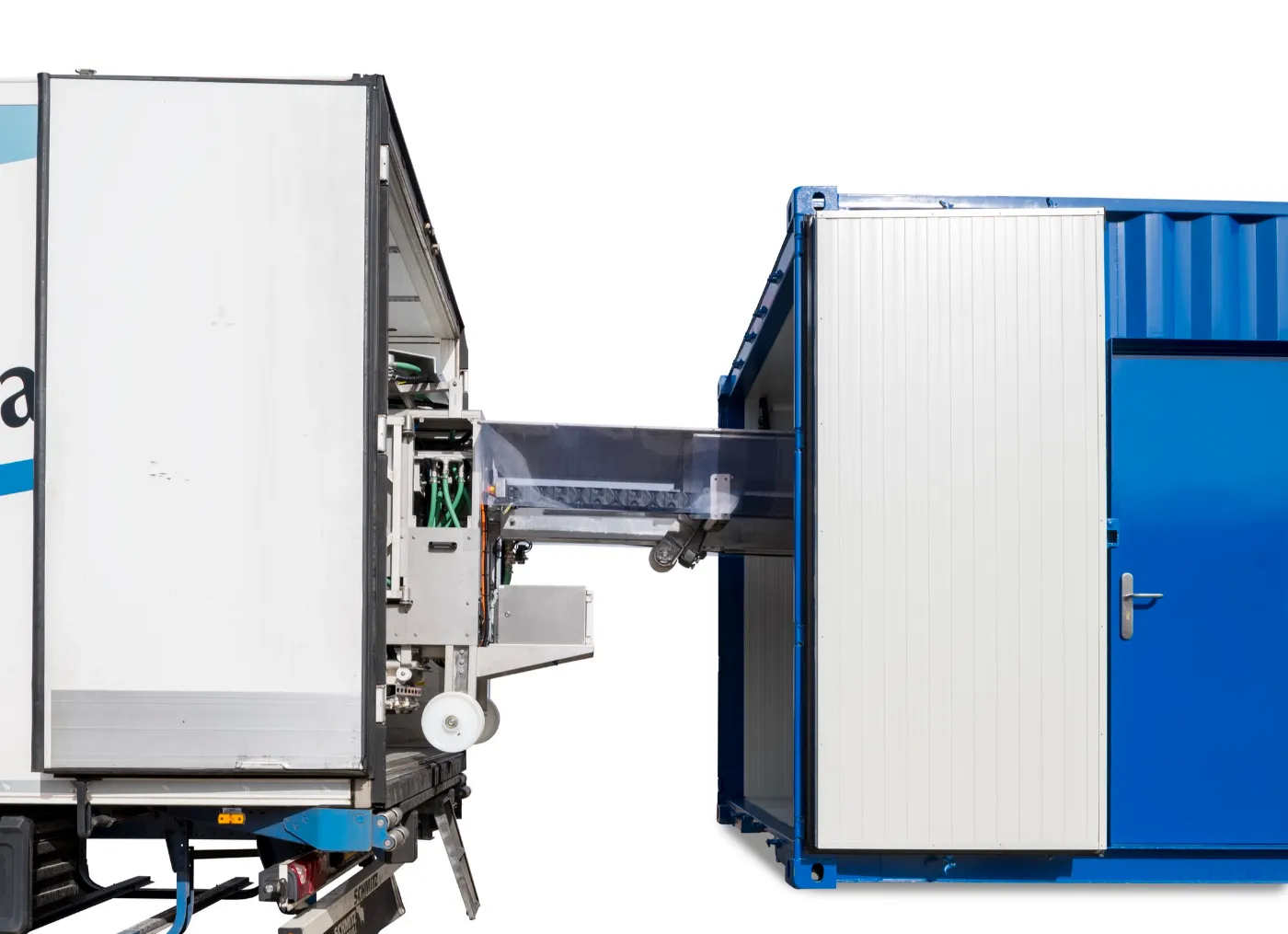
The wash water rules still apply, because a wash still produces water. What changes is what stands on the bay. The HB Nexus is a 40ft ISO container, plug and play. The technical room with pumps, chemicals and controls is inside that container, and the chemicals are sealed and dosed automatically. There are no loose drums or a separate chemical store on the floor.
The Nexus uses 50 percent less water per wash cycle. You still provide power, water and a drain, and HB Group supplies the specifications per site so your installer and your authority know what they are dealing with. What a unit needs on your yard, from docking lane to wifi, is in our article on what a Nexus unit needs on your site. How the machine works inside is shown on the robot page.
HB Group knows this from its own truck wash at Maasvlakte and Europoort. To talk through what your site needs, you can book a demo.
It depends on the country. In the Netherlands the environmental rules ask for a notification at least 4 weeks before you start, not a permit. In Scotland and Northern Ireland you need a trade effluent consent before discharging wash water to the public sewer. Building work may need separate approval. Check the current rules with your local authority.
Can truck wash water go into the sewer?
+
Usually into the foul sewer, never into surface water drains. In the Netherlands the foul sewer is the prescribed route, with an oil limit of 20 mg per litre unless a silt trap and oil separator to NEN-EN 858 is fitted. In Scotland and Northern Ireland you first need a trade effluent consent from your water and sewerage company.
Is an oil separator required for a wash bay?
+
Not always. Dutch guidance says that if hardly any oil is used in the process and the water meets 20 mg per litre, no separator is needed; with a silt trap and separator to NEN-EN 858 the limit does not apply. NetRegs advises an appropriately sized separator, and notes that detergent in the water stops it working properly.
What is trade effluent consent?
+
In Scotland and Northern Ireland it is the permission from your water and sewerage company to discharge liquid waste from a business, such as vehicle wash water, to the public sewer. NetRegs says you need it before any discharge, even a small one. A trade effluent agreement is needed when the water company must carry out extra work for your discharge.