Anyone who wants to know the cost of interior cleaning usually starts with the hourly wage of the person holding the lance. It is the easiest number to find, and therefore also the most misleading. A wash cycle is a chain of actions of which spraying is only a part. In this article we list the items that counted in practice at HB Truckwash at the Maasvlakte and Europoort, without attaching amounts we cannot know for your company.
Which costs sit inside a manual wash cycle?
A manual wash cycle consists of at least six cost items. Only the first one appears on the payslip. The rest is hidden in the planning, the water bill, the quality checks and the insurance.
Labour: the washer's time, including changing, preparing, rinsing and clearing up.
Waiting time: the driver and the vehicle stand still for as long as the wash takes, and often in the queue before it.
Water and chemicals: consumption that differs per washer, because a lance has no dosing.
Quality: a wash on Monday morning is not the same as one at the end of a shift. A rejected load or a re-wash costs more than the wash itself.
Registration: if an auditor asks for evidence, someone has to write it down or look it up afterwards.
Safety: a wet, slippery cargo space with chemicals is a workplace where things go wrong, with sick leave and claims as a result.
For none of these items is there a national average that is right for your company. What you can do is fill each one in with your own figures. That is what the tailored calculation is for.
Why does throughput weigh more than the hourly wage?
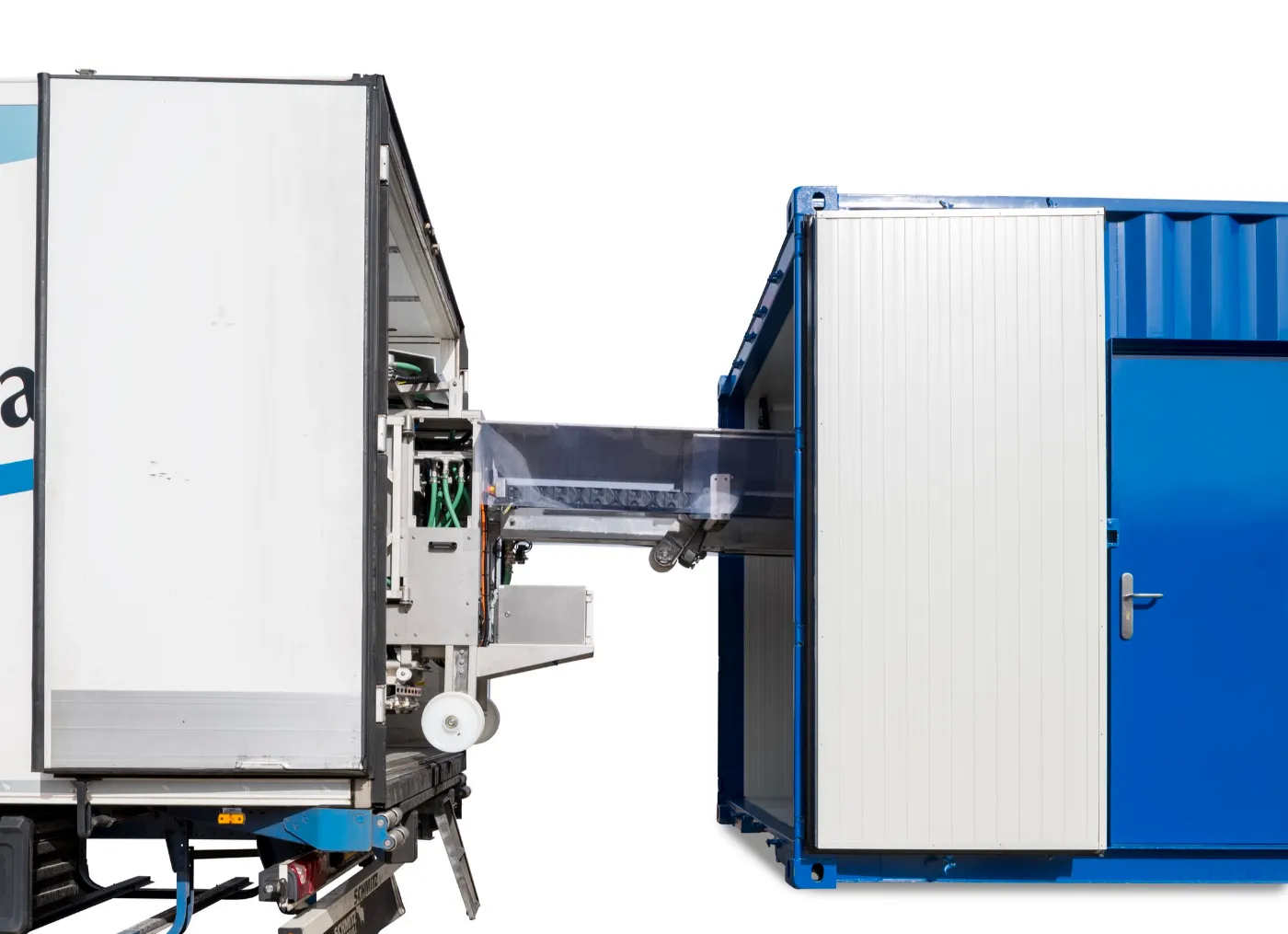
A trailer waiting for a wash earns nothing. With manual washing the washer sets the pace, and that pace fluctuates with the dirt, the workload and the person. The HB Nexus does a full HACCP wash cycle in a maximum of 15 minutes, certificate included. That is four wash cycles per hour, day and night, and that pace does not change at the end of a shift.
What that delivers depends on what an hour of downtime costs you: the driving time lost, the trip not driven, the driver waiting. You know that number better than we do. Multiply it by the number of wash cycles per week and you have the first item that never appears on a quotation.
How much does it save in water and chemicals?
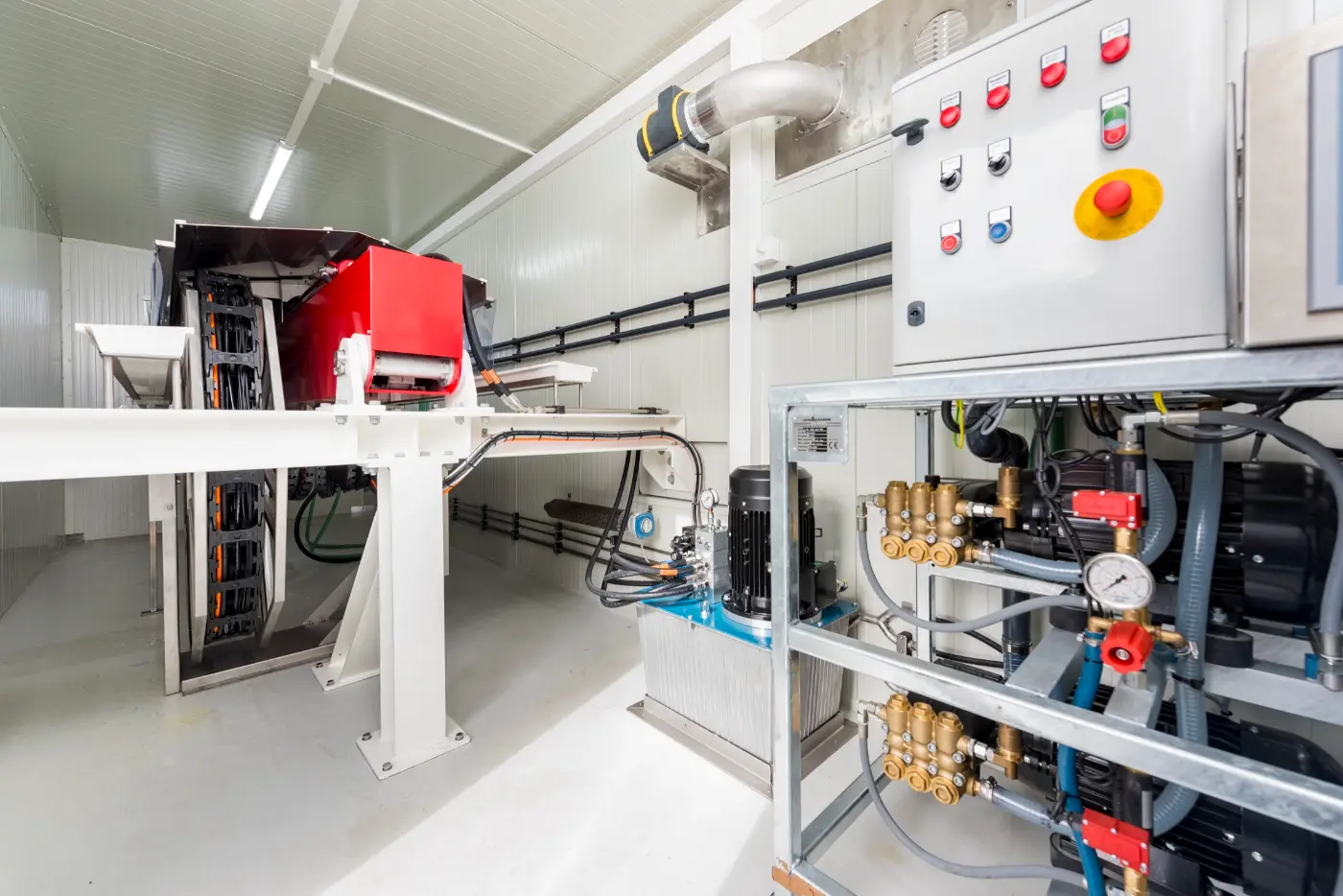
A lance does not dose. The Nexus does: the dosing system delivers exactly the same amount of chemicals and the same contact time every cycle. Per wash cycle the machine uses 50 percent less water than manual washing. What that means in litres and euros differs per set-up and per water tariff, so we calculate it per location instead of naming an amount here.
What does a varying wash result cost?
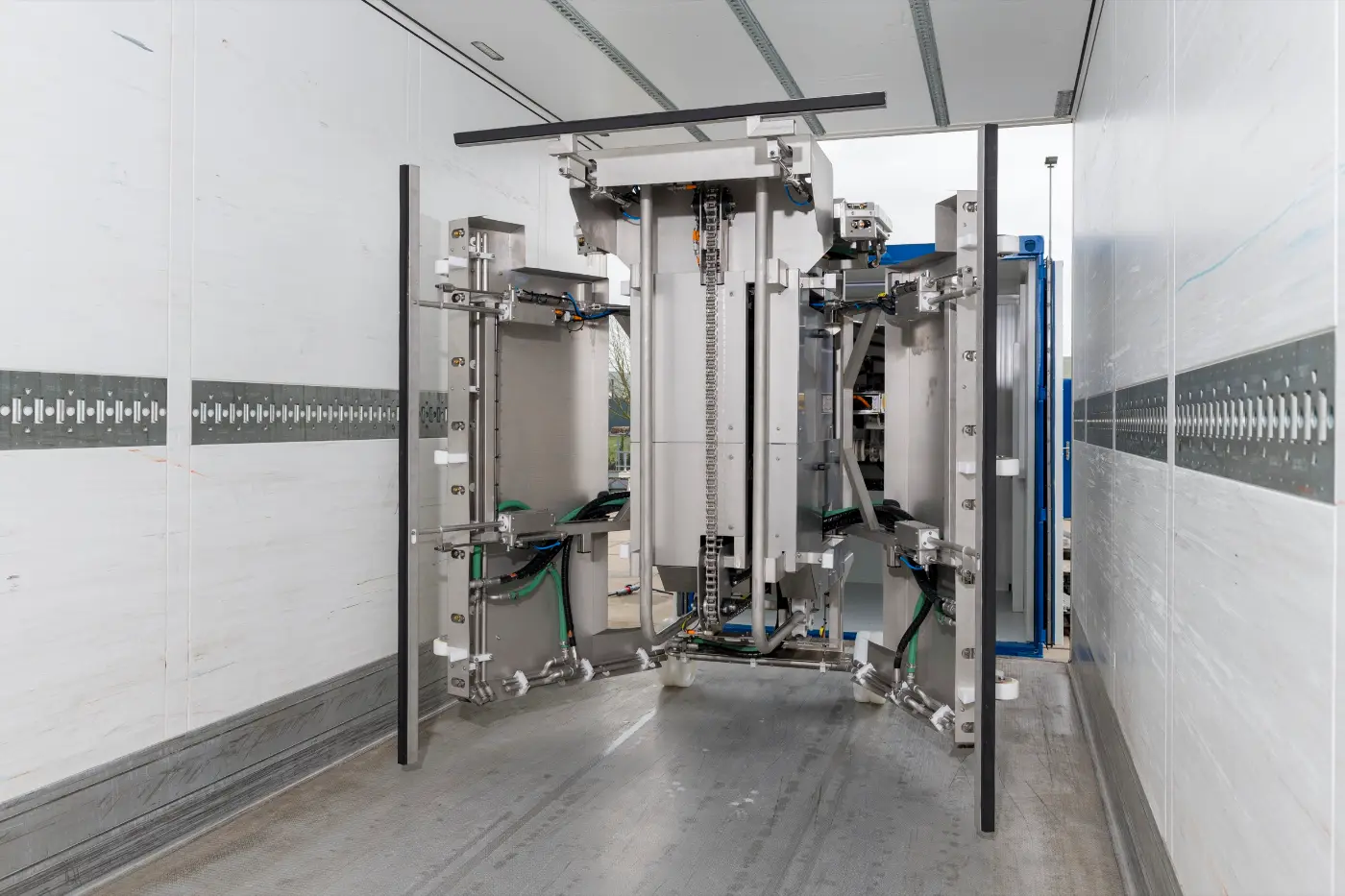
With manual washing the result depends on who is on shift. That is no reproach to the washer, it is the nature of the work: cleaning a thirteen-metre cargo space with a lance is heavy, and at the end of a shift nobody is as thorough as at the start. The Nexus cleans floor, walls and ceiling according to a fixed programme, and independent research by CCD Cleaning Consultancy (November 2024) measured 63 percent less microbial load after a Nexus wash cycle.
The costs of varying quality sit in what happens next: a load that is rejected, a re-wash, a complaint from a client in food or pharma. That item does not appear on any invoice either, but it often decides whether a wash site is a cost or a selling point.
What does it cost to make a wash cycle demonstrable?
In food, pharma and chemicals a wash cycle is only worth something if you can show that it happened, to which vehicle, when and how. Manual means a logbook, and a logbook means someone who keeps it and someone who looks it up at an audit. The Nexus automatically creates a HACCP certificate for every wash cycle via Nuvix, with wash cycle number, licence plate, programme, duration and status. That is not an extra action, it is the consequence of the wash cycle.
From which volume does your own washing robot pay off?
The HB Group break-even model works with six wash days per week, a fixed annual amount for the machine and a marginal cost per wash cycle. Set your current cost per wash against that and the model tells you at which number of vehicles per day the machine starts paying for itself. At a rate of 60 euros per wash that tipping point is around six vehicles per day; at a lower rate it is higher.
Below that tipping point the decision is no longer arithmetic. Then it is about whether you can still find people willing to do this work, and whether you want them standing in a wet cargo space with chemicals. Above the tipping point every extra vehicle counts, because the fixed costs are spread over more wash cycles.
Item
Manual
HB Nexus
Duration per wash cycle
Varies with washer and dirt
Maximum 15 minutes
Water
Undosed
50 percent less per wash cycle
Chemicals
Differs per washer
Dosed automatically, identical every cycle
Result
Differs per shift
Fixed programme, 63 percent less microbial load measured
Registration
Logbook afterwards
HACCP certificate per wash cycle via Nuvix
Staff at the wash site
Washer in the cargo space
Nobody; the driver docks the vehicle
The calculator on this site shows you with two sliders where you stand. The result is an indication, not a quotation. We make the real calculation together, with your wages, your driving times and your expected growth.
Can I calculate the costs of manual washing myself?
+
Yes, if you fill in the items separately: labour, waiting time, water and chemicals, re-wash and rejection, registration and sick leave. The calculator on this site only asks for your number of vehicles per day and your current cost per wash, and sets that against the HB Group break-even model.
From how many vehicles per day does the Nexus pay off?
+
That depends on what a wash costs you now. At 60 euros per wash the tipping point is around six vehicles per day, at a lower rate higher. The calculator shows the tipping point at the rate you enter.
What does the machine itself cost?
+
The price is on request, because the set-up differs per location. In the tailored calculation we include the purchase, the service agreement and your own volume.
How many wash cycles can a Nexus handle per year?
+
The machine is designed for continuous operation and can handle up to around 33,000 wash cycles per year, at a maximum of 15 minutes per full HACCP wash cycle.